DJI Avata 2: GTA 6 Made Drone Racing Normal — This Is the Drone You Can Actually Buy
GTA 6 shipped two days ago with drone racing in it. This is the version you can fly.
Grand Theft Auto VI arrived on 19 November 2026 with an activity called Top Fun Drone Races: 42 drone time trials across 14 locations in Leonida, where you fly a quad through rings against a par time. 28 of those 42 have to be beaten under par for 100% completion. It is, suddenly, the most mainstream drone racing has ever been.
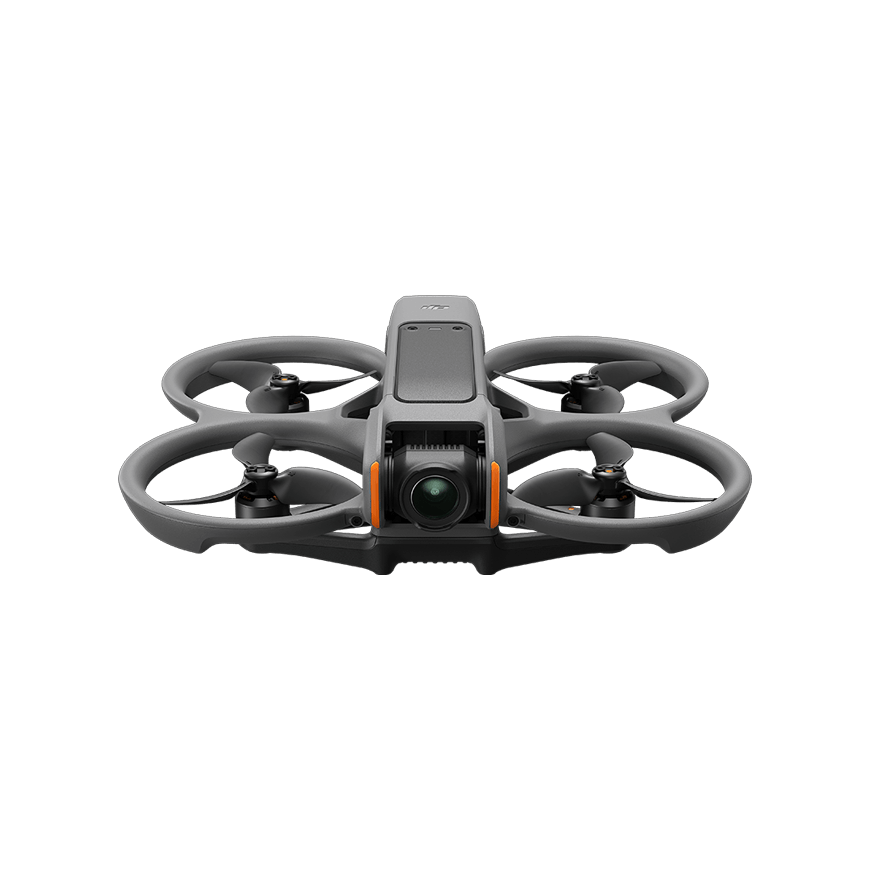
The hardware version has existed since April 2024: DJI Avata 2, DJI's cinewhoop — a small FPV quad with ducted propellers that you fly through goggles, with a motion controller instead of sticks. Every frame of the reel is DJI's own footage for this product, taken from the Avata 2 films on dji.com. No game capture, no AI-generated shots, no stock.
The three checks we run on every product
1. Official launch, price and whether you can actually buy it. Verified on dji.com and store.dji.com on 21 November 2026. Avata 2 is a current, on-sale product — but stock moves, and the US and Korean stores were not saying the same thing on the same day. DJI's US store listed the Fly More Combo (one battery) at $849, down from a $1,087 list price, and showed it out of stock when checked; the launch price in DJI's own April 2024 announcement was $999. The Fly Smart Combo (one battery) is listed at $619. DJI's Korean store had the drone alone at ₩467,000 with dispatch from 22 November, the Fly More Combo (one battery) at ₩1,012,000 and the three-battery combo at ₩1,082,000. If the exact configuration you want is out of stock, that is DJI's supply, not a rumour about the product ending.
2. The limit the demo doesn't show. Two of them. First, 377 g: this is above the 250 g line that most countries use to separate a toy from an aircraft, and DJI lists the drone as EU class C1, so registration and operating rules apply — check your own country before you fly, because that is the part that actually bites. Second, the numbers come with conditions: the 23-minute flight time is a wind-tunnel figure at a steady 21.6 km/h with the camera in photo mode, and the 13 km range is the FCC figure measured with no obstruction and no interference. In a city, with trees and buildings between you and the drone, neither number survives contact. The ducted props make crashes survivable, not harmless — and they cost you power, which is exactly why a cinewhoop flies like a cinewhoop and not like a five-inch freestyle quad.
3. Who should actually care. Someone who wants cinematic FPV footage without building a drone or learning to solder: the 155° lens, the one-push flips and rolls, and Turtle mode (it flips itself back over if it ends up upside down) get a beginner to watchable footage fast. Racers who want the last ten percent of agility should look elsewhere; the Avata 2 is a camera that happens to fly, and that is the whole design brief.
The detail that matters most in daily use is not on the spec sheet: 46 GB of internal storage, so you can fly without hunting for a microSD card, and the motion controller means you point the drone where you want it to go rather than learning acro. It is the difference between an FPV hobby and an FPV camera.
Full breakdown in the reel, and the longer conversation about whether FPV's new mainstream moment survives past GTA week — in this week's podcast episode.
Instagram @therobotduck — instagram.com/therobotduck
TikTok @robotduck11 — tiktok.com/@robotduck11
Blog — therobotduck.blogspot.com
Apple Podcasts — The Robot Duck


Comments
Post a Comment